Fabric file
Corduroy came back, and it brought flares
Corduroy never really left, it just spent two decades filed under teachers and toddlers. The Y2K revival dragged the flare cut back onto the street, and the fabric turned out to be exactly what a linen-first closet needs for the cold half of the year: texture, warmth and the same refusal to be stiff.
What a wale is
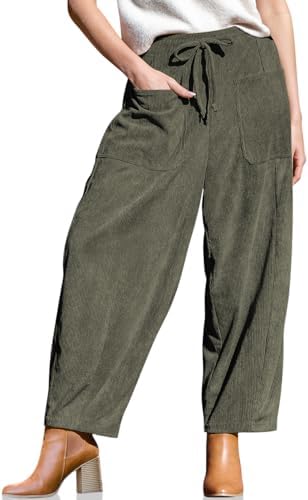
The ridges. Wale count is ridges per inch: a high number means fine, dressy cords, a low number means the fat, plush ridges you remember from the seventies. The flares in the TARSE range sit in the middle, wide enough to read as texture across a room, fine enough to iron flat at the seam.
Wearing the flare now
The cut is fitted through the thigh and opens below the knee, which is the opposite volume map of a barrel pant, so the styling flips too: roomy top, fitted pant. An oversized sweater or an open flannel over a snug tee is the whole formula. Shoes with a little height keep the hem off the ground and the line long.
Avoiding the costume
One era per outfit. Corduroy flares plus tinted sunglasses plus a butterfly clip stops being an outfit and becomes a Halloween entry. Let the pants be the single vintage note and keep everything else current, and the look reads as intentional instead of themed.
Care
Wash inside out and cold so the wale keeps its nap, and skip the dryer when you can; heat flattens the ridges over time. A soft brush along the wale after drying revives the pile in about a minute.