Fit school
Reading the size chart like a reviewer
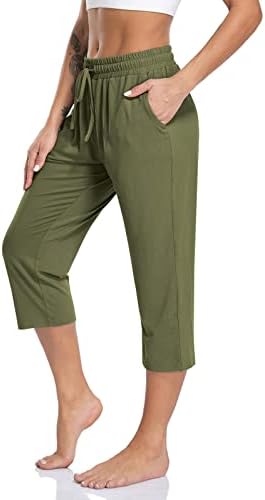
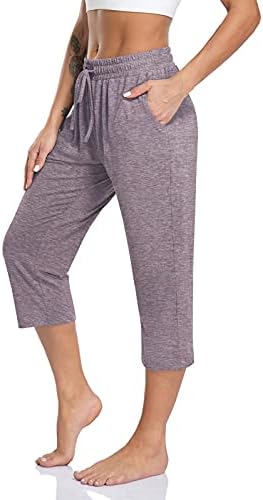
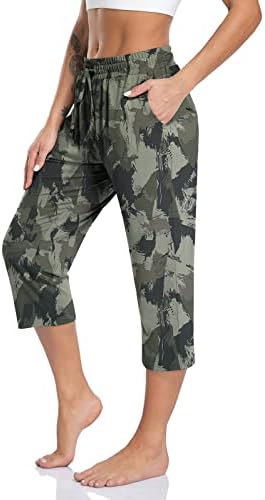
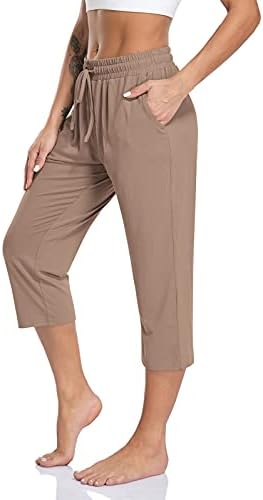
Size charts are written for fitted clothes, where four measurements all have a vote. On a loose elastic-waist pant, three of those votes stop mattering. The hip has ten inches of ease, the thigh has more, the inseam is a styling choice. The waistband is the whole election.
Measure where the pant sits, not where you think your waist is
Most of these cuts sit at or just below the navel, not at the narrowest point of your torso. Run a tape there, snug but not compressing, and compare that number to the relaxed waistband measurement in the chart plus about two inches of comfortable stretch. That single comparison predicts the fit better than the letter on the tag ever will.
What runs big actually means
When reviewers say a loose pant runs big, they almost always mean the leg volume surprised them, not the waist. Read the complaint carefully before sizing down: a smaller size shrinks the waistband you needed along with the volume you did not. If the waist fits and the leg feels like too much fabric, that is the cut working, give it a day.
Between sizes
On elastic and drawstring waists, take the smaller size; the stretch covers you and the drawstring cannot cinch away extra inches of fabric. On the corduroy flares, which have a structured waistband, do the opposite and take the larger one, then let the belt loops earn their keep.
One habit worth stealing
Reviewers who report their height and usual size next to their verdict are doing you a favor. Find the two or three whose numbers match yours and weight their sentence over the average star. Every piece on this site keeps its full review thread one button away, use it.